
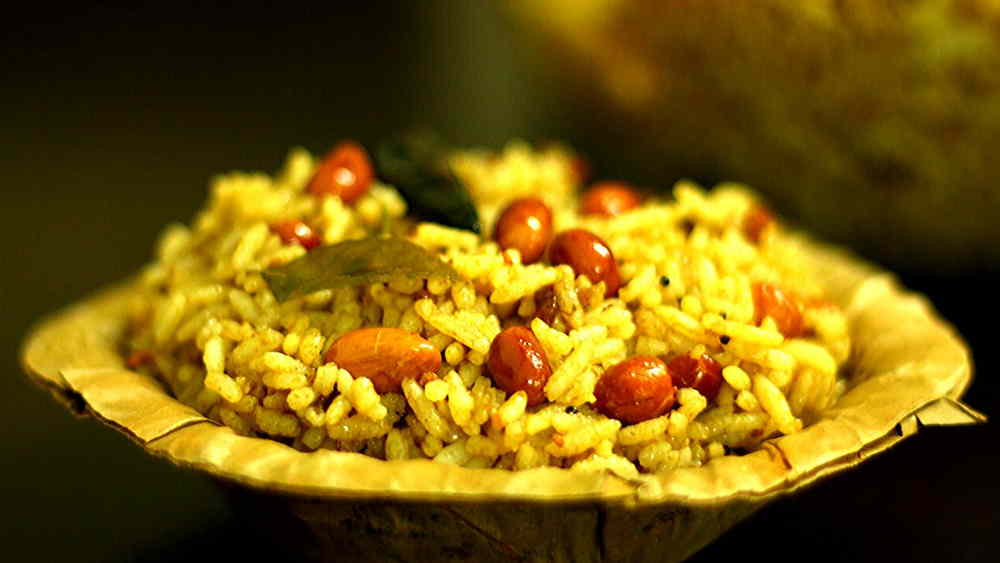
Puliyodharai Recipe in English – A Tangy Taste of South India
There’s something unmistakably nostalgic about the rich aroma of puliyodharai wafting through a South Indian kitchen. With its bold, tangy, and spicy flavor, this dish is more than just food—it’s a cultural experience. Whether served as prasadam in temples or lovingly packed into lunch boxes, puliyodharai holds a cherished place in Tamil homes.
This tamarind rice dish is both simple and profound. It’s built on a base of tempered spices, infused with the sharpness of tamarind, and layered with the subtle crunch of roasted nuts and lentils. If you’re looking to recreate this magic in your kitchen, this puliyodharai recipe in english will take you through every aromatic, flavor-packed step.
What is Puliyodharai?
Puliyodharai (also known as puli sadam or tamarind rice) is a South Indian rice delicacy prepared with cooked rice and a special tamarind-based spice paste. Traditionally offered as temple prasadam, this dish has become a staple in homes for its ease, long shelf life, and delectable taste.
It’s a brilliant harmony of taste elements: sourness from tamarind, heat from chilies, earthiness from mustard and fenugreek, and nutty richness from sesame and peanuts. The result? A dish that hits every note on the flavor scale.
Ingredients for Puliyodharai
For Tamarind Paste (Pulikaichal)
- Tamarind – lemon-sized ball
- Water – 1½ cups
- Gingelly oil (Indian sesame oil) – 4 tbsp
- Mustard seeds – 1 tsp
- Fenugreek seeds – ½ tsp
- Urad dal – 1 tsp
- Chana dal – 1 tsp
- Dry red chilies – 4 to 5
- Asafoetida – ¼ tsp
- Curry leaves – 1 sprig
- Turmeric powder – ½ tsp
- Jaggery – 1 tsp
- Salt – as needed
For Rice
- Cooked rice – 2 cups (cooled and non-sticky)
- Sesame oil – 1 tbsp
- Roasted peanuts – 2 tbsp
- Optional: black sesame seeds, dry grated coconut, or a pinch of powdered cinnamon
Making the Tamarind Paste – The Pulikaichal
- Extract the Tamarind Juice: Soak the tamarind in warm water for 15 minutes. Squeeze and strain to get thick juice. Set aside.
- Temper the Spices: Heat gingelly oil in a heavy-bottomed kadai. Add mustard seeds and let them pop. Add fenugreek, urad dal, and chana dal. Fry until golden.
- Add Flavor Enhancers: Add broken dry red chilies, curry leaves, and a generous pinch of asafoetida. Fry briefly.
- Introduce the Tamarind Extract: Pour in tamarind juice. Add turmeric, salt, and jaggery. Mix well.
- Cook to Perfection: Simmer on low until the mixture thickens and oil separates (15–20 mins). Paste should become glossy and dark.
Tip: Cool and store in the fridge for up to 2 weeks. This base can transform plain rice instantly!
Assembling the Puliyodharai
- Prepare the Rice: Ensure rice is fluffy and fully cooled to avoid clumping.
- Mix Gently: Add 2–3 tbsp of pulikaichal to rice and mix thoroughly. Adjust to taste.
- Add Crunch: Top with roasted peanuts. You can also fry some cashews for extra richness.
- Let It Rest: Let the mixed rice sit for 30 minutes to allow flavors to blend beautifully.
Temple-Style Puliyodharai: Secrets from Tradition
- Roasting Spices: Coriander, sesame, and coconut powder add a complex layer to pulikaichal.
- Use Gingelly Oil Generously: Enhances flavor and shelf life.
- No Onion or Garlic: Keeps it sattvic for prasadam-style purity.
Variations Across South India
- Andhra Pulihora: Often includes green chilies and ginger; spicier profile.
- Karnataka Puliyogare: Made with rasam powder and coconut for a mellow flavor.
- Kerala Puli Choru: Coastal version with grated coconut and regional curry powder.
Each has the same soul but tells a different story.
Serving Suggestions: What Goes with Puliyodharai?
- Curd or Buttermilk: Cools and balances the tangy rice.
- Appalam (Papad): Crunchy and salty—perfect contrast.
- Potato Fry or Raw Banana Roast: Earthy, crispy sides that complement well.
- Pickle: Tang on tang for the bold-hearted.
Often part of a festive trio with lemon rice and coconut rice.
Storage Tips: Make Ahead and Travel-Friendly
- Pulikaichal: Stores well for 2 weeks in fridge; longer if frozen.
- Mixed Puliyodharai: Best consumed within 1–2 days.
- Lunchbox Friendly: Won’t spoil easily; perfect for travel and work meals.
Avoid These Common Mistakes
- Too Much Tamarind: Overpowers the dish. Balance with jaggery.
- Too Little Oil: Oil helps carry flavor and preserve the paste—don’t skimp.
- Wrong Rice Texture: Use cooled, separate grains—not sticky or hot rice.
Final Thoughts: A Comfort Dish That Never Disappoints
Puliyodharai is more than a recipe. It’s an emotion wrapped in banana leaves, shared during festivals, temple visits, and everyday meals. Its depth of flavor comes not from exotic ingredients, but from generations of refinement.
Once you’ve made puliyodharai a few times, it becomes second nature. That spoonful of tamarind paste, the crackle of mustard seeds, the golden chana dal—all come together in a dish that’s humble, yet majestic.
Whether it’s your first attempt or your fiftieth, this puliyodharai recipe in english will guide you toward creating a dish that’s deeply satisfying and utterly unforgettable.
